Ben first recommends deciding on your target market. If you’re a regional company with a climate specific product, you don’t need national figures — it’s a waste of money.
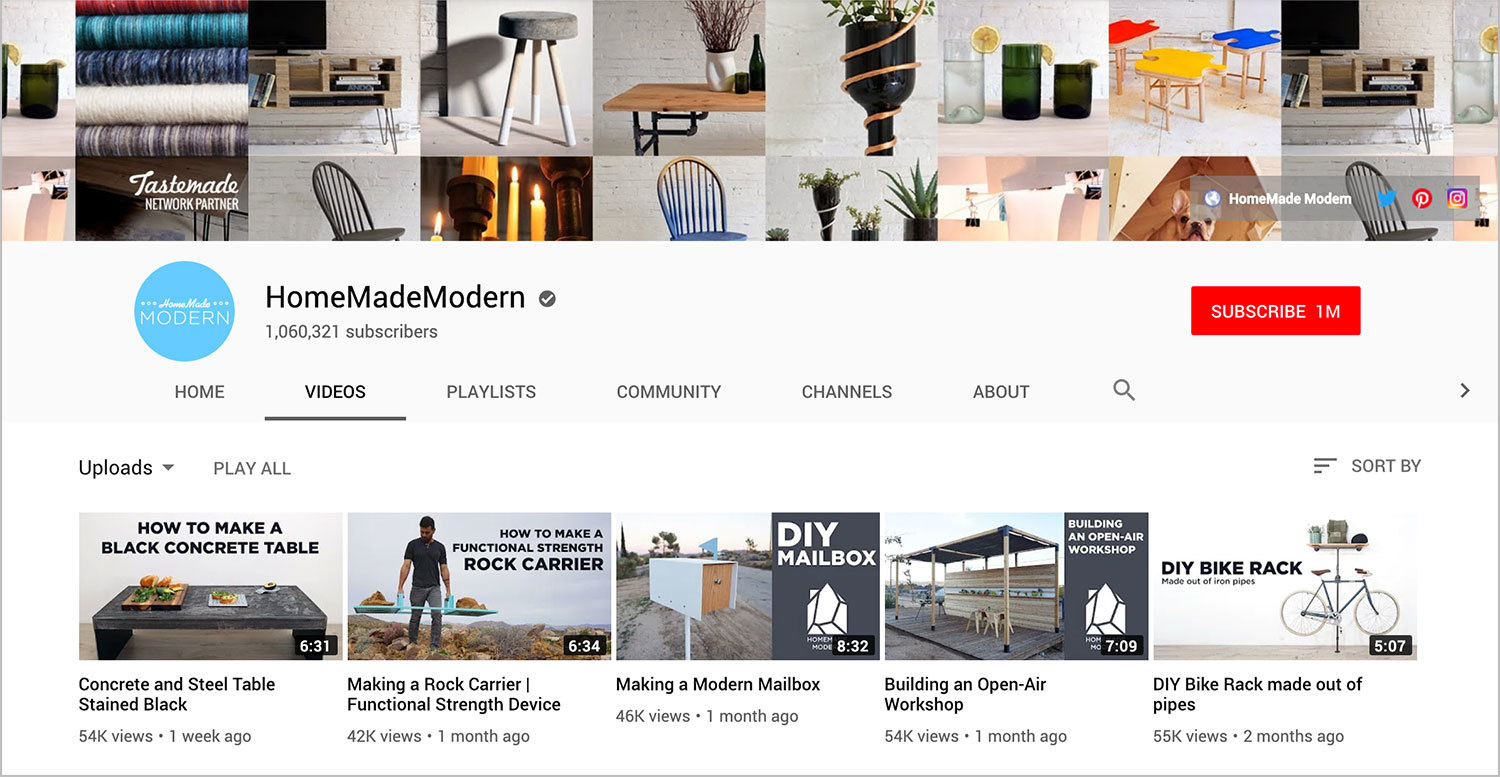
When choosing an influencer, also consider the value of their content, not just the size of their audience. It may be more expensive to have an influencer create content for you, but you’re actually commissioning production. Be sure to see if you can get the rights to everything they create for your brand so that you can also use it on other platforms and ad campaigns. Not all influencers let you do this. The ones that do are more expensive but you’ll get the most out of your marketing. You should also find influencers who would use your product organically and have expertise in your industry.
Always be honest about your product and understand whether or not it’s something consumers truly care about. If you manufacture insulation or HVAC systems, people probably don’t care what it looks like, but they may be interested in the product’s performance. Recognize if it’s really interesting or if it’s something people simply need, then build your marketing information around that perspective.
If you make something unique, a knowledgeable influencer can really help you capture market share. People are intrigued by houses that are built differently so if you create something like structural insulated panels, you have an automatic novelty factor. But you could run into problems if your potential customer’s contractor won’t take on the project because they can’t build the house efficiently with your product.
Here’s where an influencer comes in. They can create an online kit, complete with an architectural plan. It could contain a whole package of content around your materials, even if it’s just for a small, 300-square foot workshop in a backyard. Get even more specialized and hone in on a specific keyword phrase, such as accessory dwelling units in California, since they have new regulations on those types of buildings.
Then you could create quality web page advertising “free plans for accessory dwelling units in California.” People searching for those terms will quickly find your page. Since you’re delivering content they would otherwise have to pay for, they’ll think you’re great. Plus, you’re already saving them a few thousand dollars by avoiding hiring an architect so they’ll be more likely to utilize your product for their project.
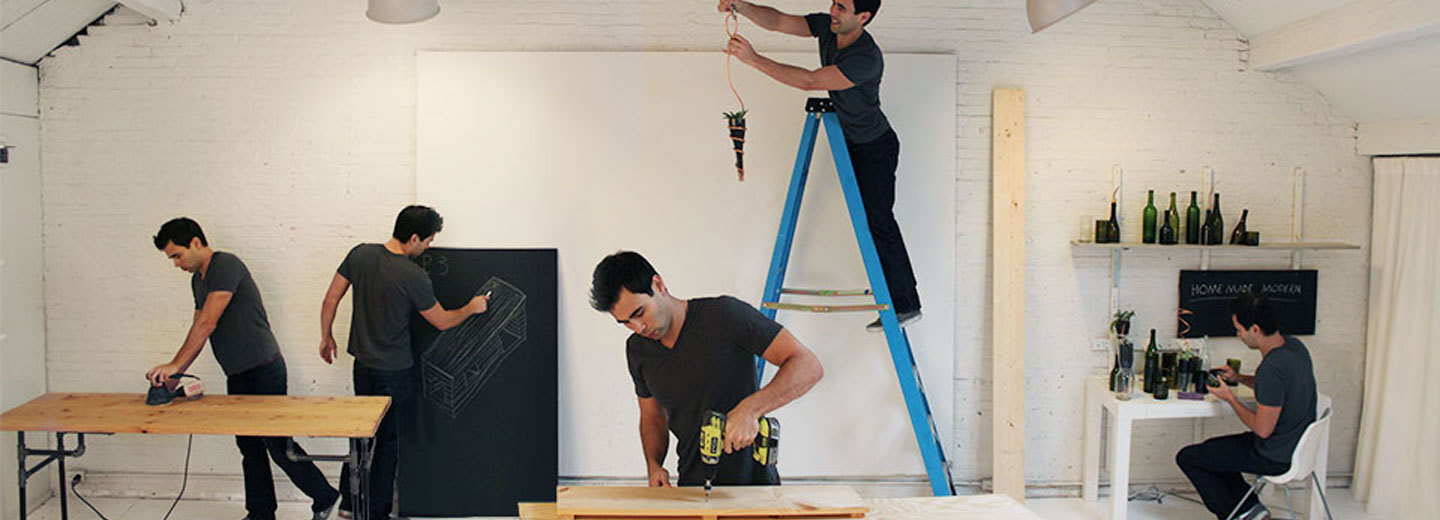
For an aesthetic project, think about DIY videos that will entice homeowners. A stone veneer manufacturer, for example, could work with an influencer to post a firepit project or show viewers how to transform their fireplace with a modern upgrade. In this case, visual content makes more sense and an influencer with a good-sized audience can do the project for you.